Workshop Booking Website
Concept
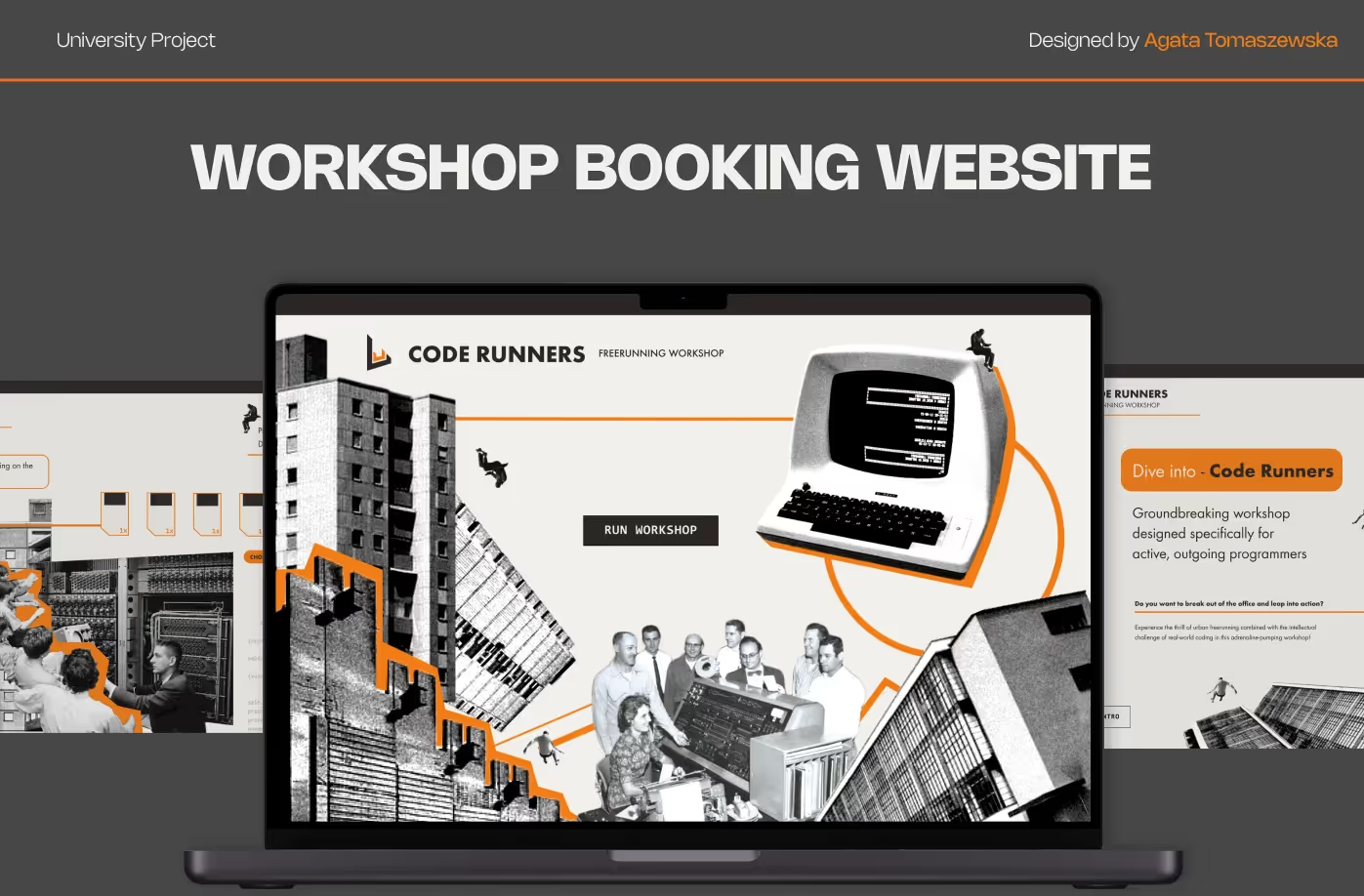
The Workshop Booking Website was designed to make finding and enrolling in creative workshops effortless.
The goal was to rethink how people discover skill-building experiences - moving away from cluttered event listings
towards a more guided, intuitive, and inspiring booking flow.
The challenge: create a website that feels approachable and trustworthy,
where users can explore workshops, check availability, and book in just a few clicks.
Process
The project followed a user-centered design process, starting with research and progressing through wireframes,
high-fidelity designs, and a clickable prototype.
Key steps:
- Research & Personas: defined target users (creative professionals & hobbyists looking for skill development)
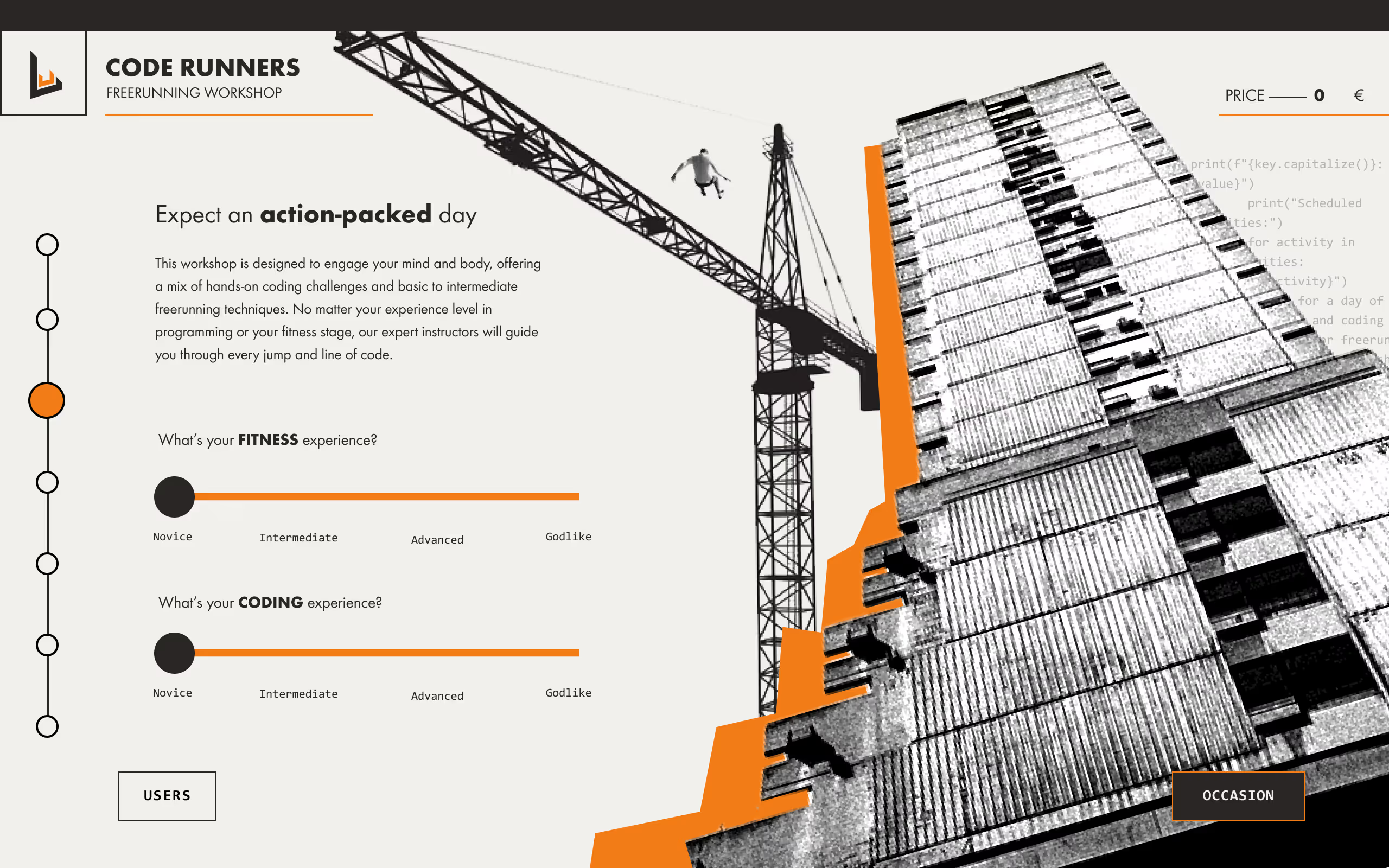
- Information Architecture: mapped the booking flow - browse → details → select date → confirm
- Wireframing: created low-fidelity wireframes to focus on layout and hierarchy before styling
- UI Design: built a clean, consistent system in Figma, focusing on accessibility and simplicity
- Prototyping: connected screens into an interactive flow to simulate real user actions
Design Highlights
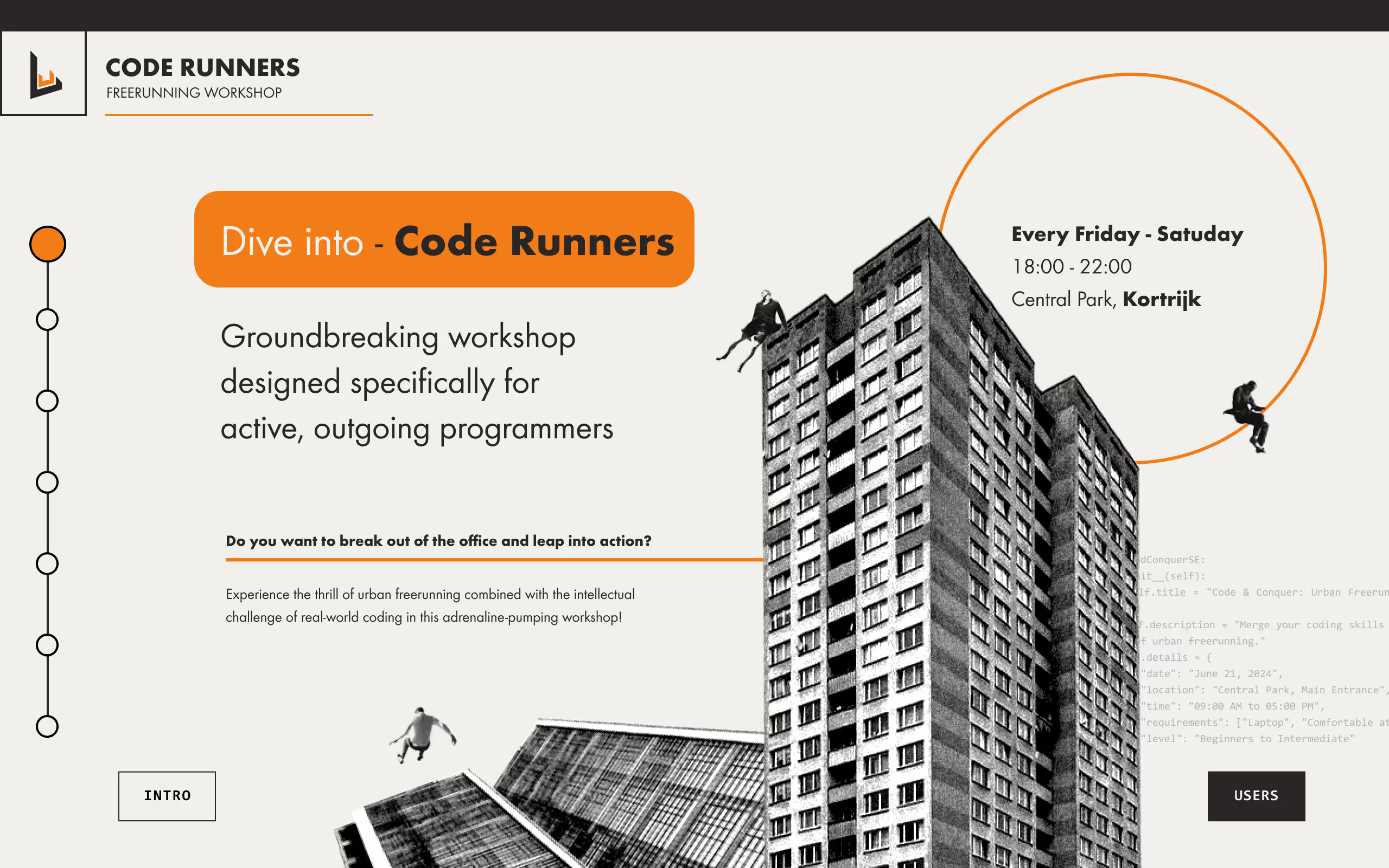
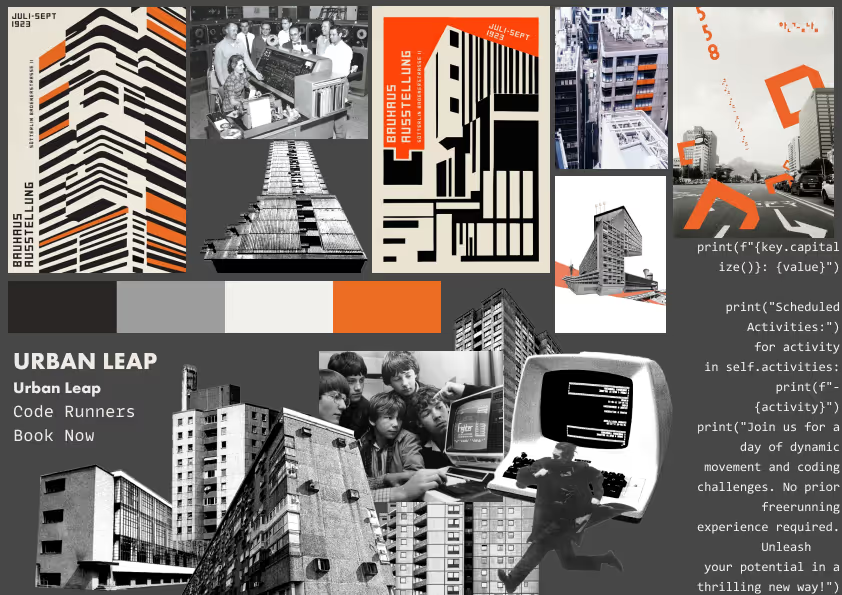
- Bauhaus-inspired structure - strong geometry, bold alignment, and clear functional purpose behind every block
- Soft-brutalist aesthetic - solid shapes, high contrast, guided the final layout
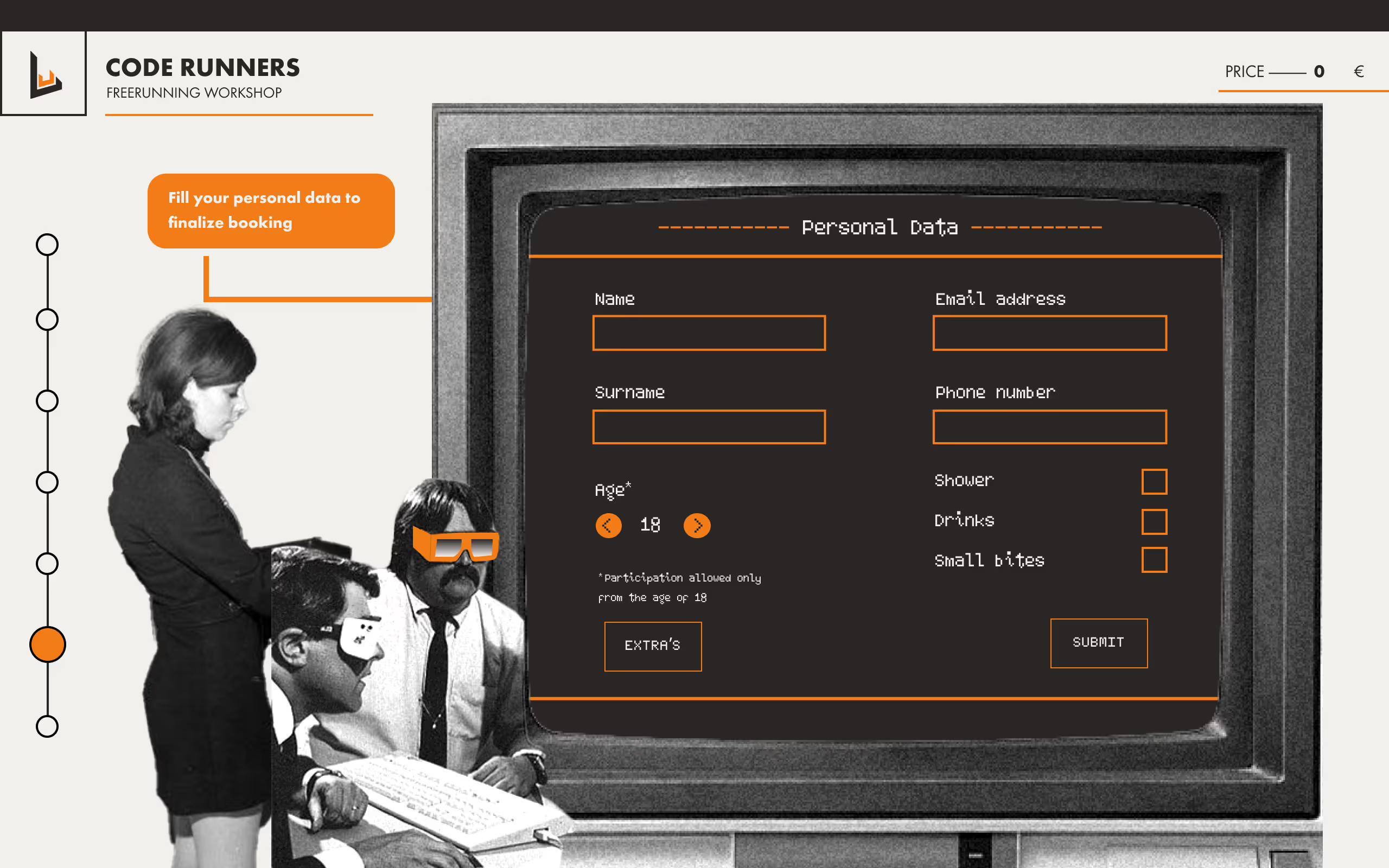
- Single-workshop focus - the interface is built around showcasing one active workshop at a time, making the flow straightforward and distraction-free
- Smooth booking flow - a linear, transparent process to minimize user friction
Outcome
The final product is a focused booking experience tailored to the way programmers think: quick scanning, strong hierarchy, minimal fluff, and a workflow that never gets in the way.
It’s a prototype-ready system that communicates clarity, speed, and trust, making learning new skills feel effortless.
Reflection
This project strengthened my ability to think like a UX designer - not just focusing on visuals but on user intention and journey.
I learned how to translate insights from research into clean, functional layouts,
and how to create a cohesive design system that can scale across different touchpoints.