Game Picker
Concept
The Game Picker was created as a small utility to simplify one of the hardest questions for any gamer -
“What should I play next?”
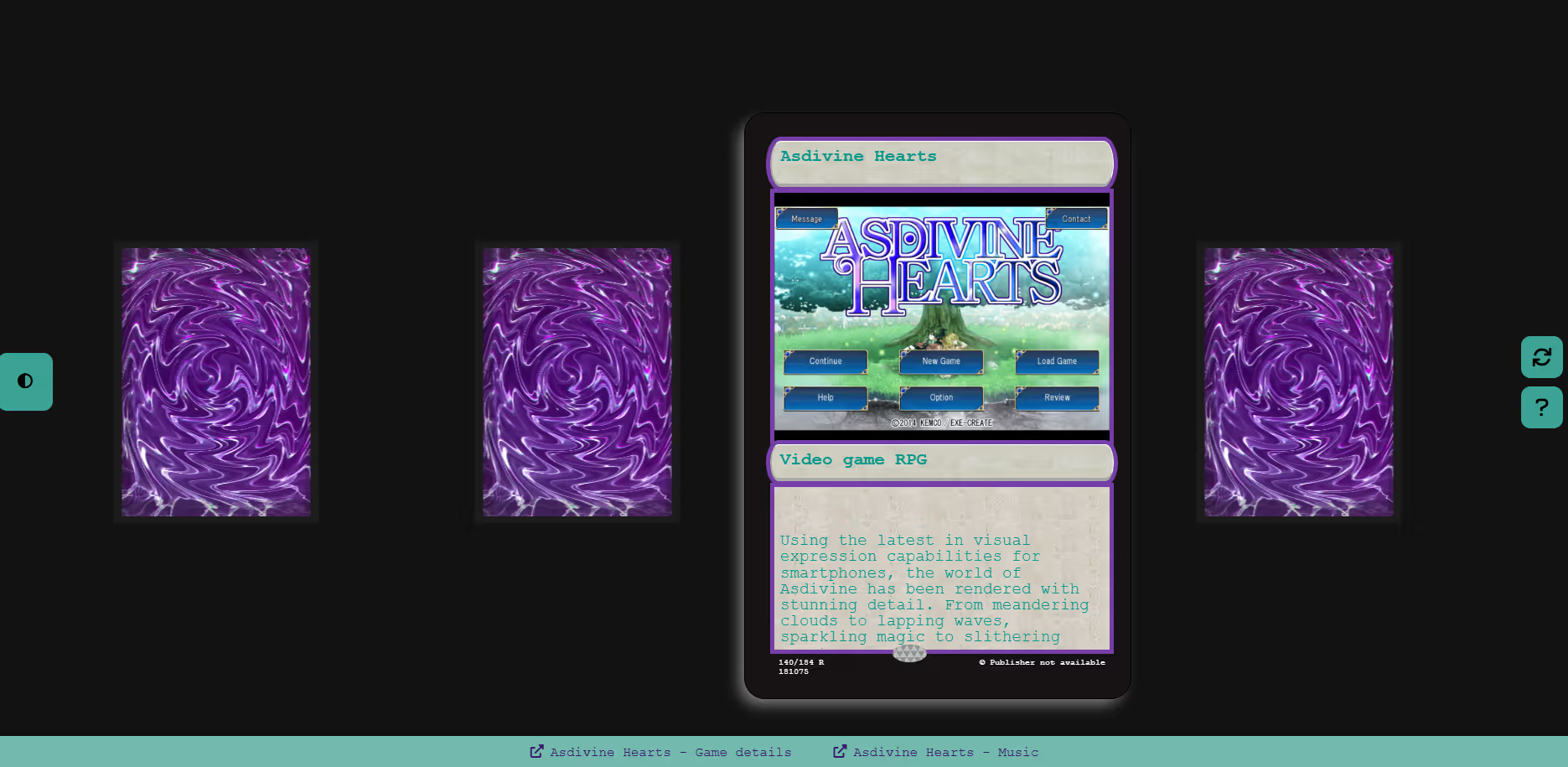
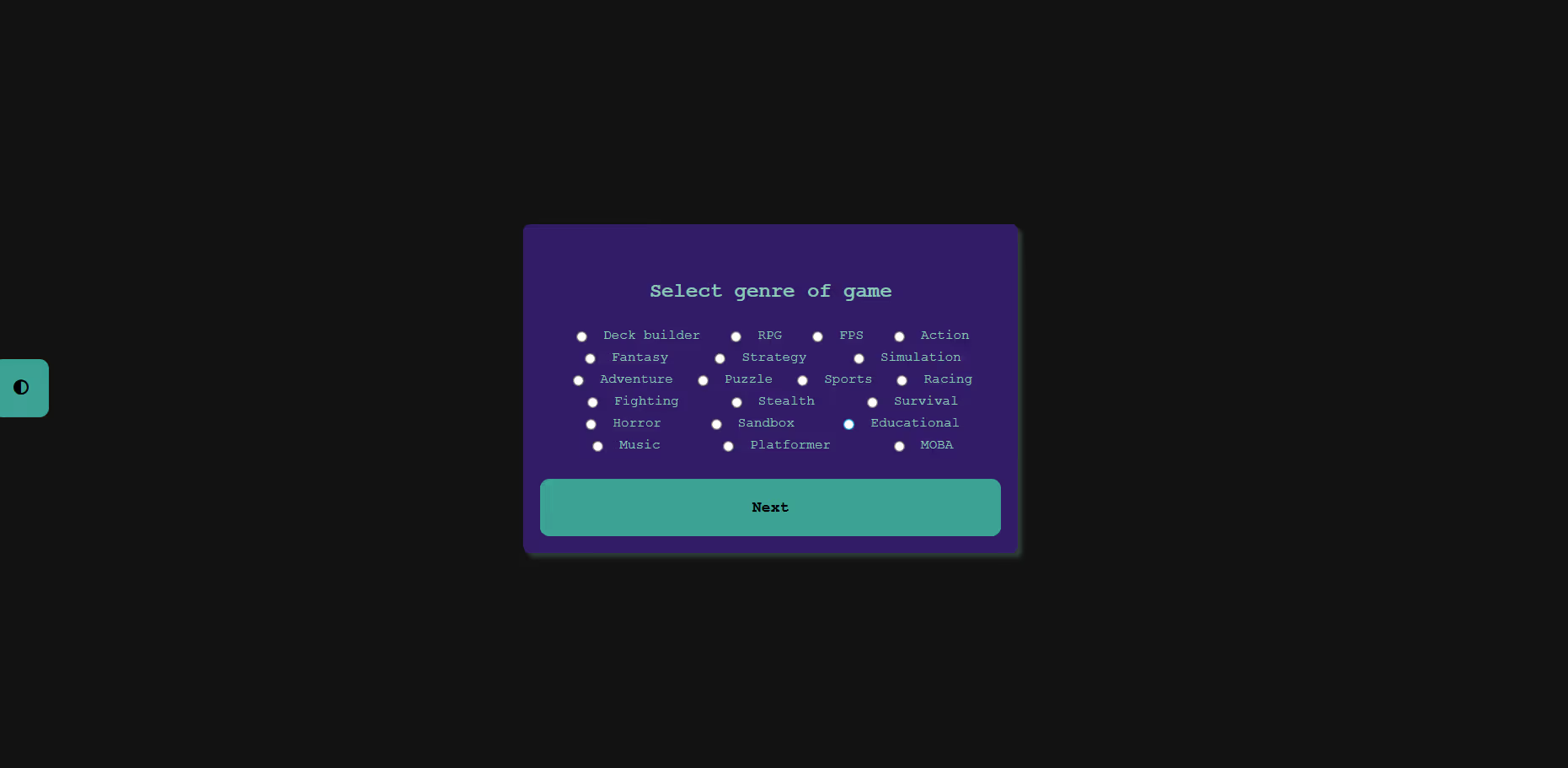
Users choose a genre and whether they want a board game or a video game. The app then fetches four matching results and displays them on interactive cards that can be flipped to reveal details. Each game comes with a direct BoardGameGeek link and a YouTube gameplay playlist, making it easy to explore further.
The goal was to keep everything simple, fast, and fun - a lightweight way to discover something new without scrolling endless lists.
Process
The project uses vanilla JavaScript with Fetch API calls to gather information such as
game titles, release dates, genres, and ratings.
Key steps in development:
- Fetching live data: connected to the APIs to retrieve game titles, images, ratings, and genres
- User flow: added a game-type and genre selector by radio button questions
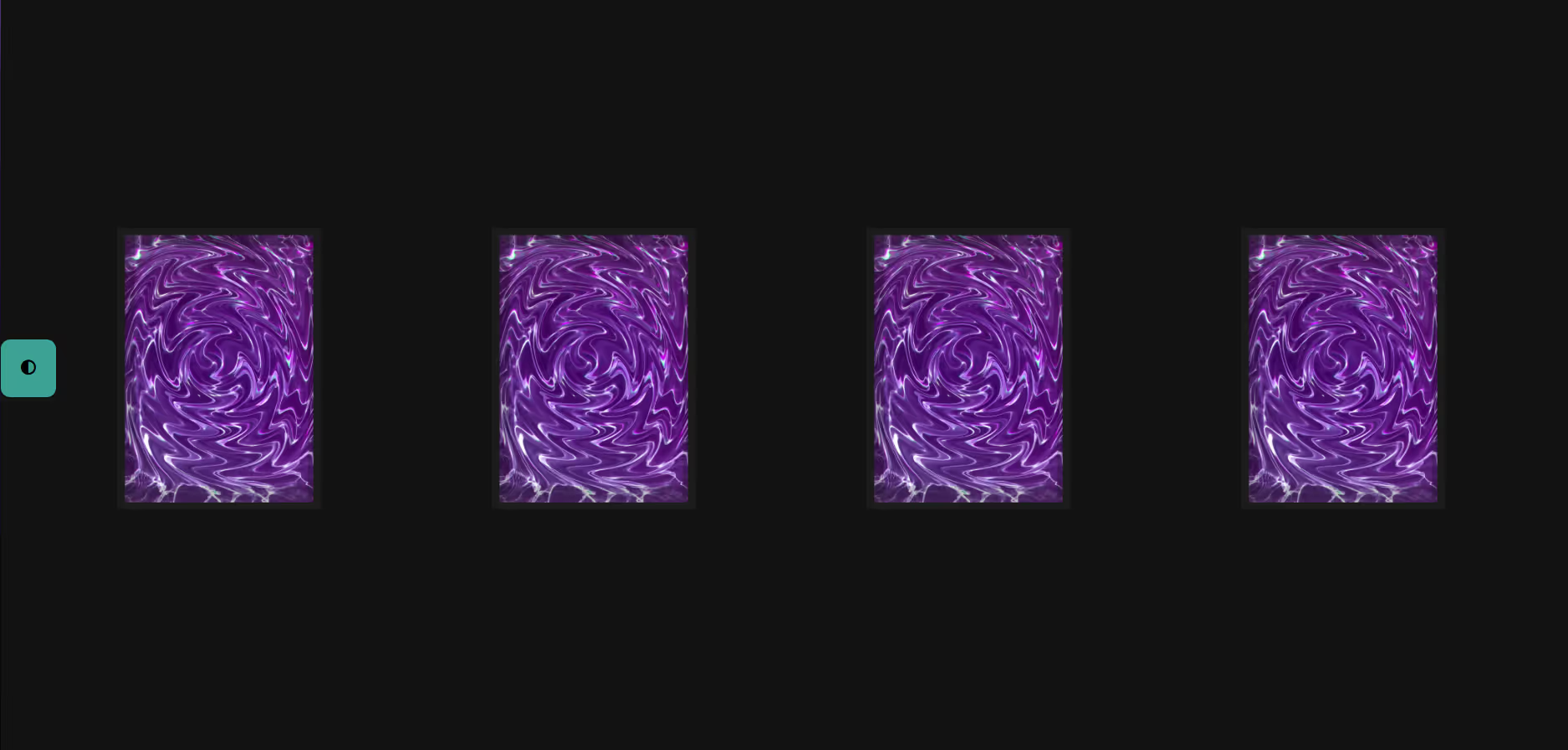
- Dynamic result cards: created four cards that flip to show additional information
- External resources: added automatic links to the game’s BoardGameGeek page and a YouTube gameplay playlist
- UI design: kept the layout clean and straightforward so the cards are the main focus
- Edge cases: handled empty results, missing images, and slow responses gracefully
The focus remained on structuring API calls, managing async data, and updating the DOM in a smooth, readable way - all without any frameworks.
Outcome
The final tool is a quick game recommendation generator that reacts instantly to the user’s choices. The flip-card interaction makes the results playful, while the external links encourage deeper exploration.
Even though the app is small, it shows how live data and simple UI patterns can create an engaging experience without heavy code or libraries.
Reflection
Building this tool taught me how to shift from static UI thinking to a more dynamic, data-driven approach. I had to structure API requests clearly, manage asynchronous updates, and design interactions that stay smooth as new data loads.
Because I genuinely love games and board games, working on this project was especially fun - it felt like creating something I would actually use myself. That personal connection made the process more natural and pushed me to make the experience as simple and enjoyable as possible.
This project also strengthened my confidence in using public APIs to build small creative tools that combine logic, interaction, and playful design.