Stylized Plane - Game Art Model
View Full Project on ArtStation
Concept
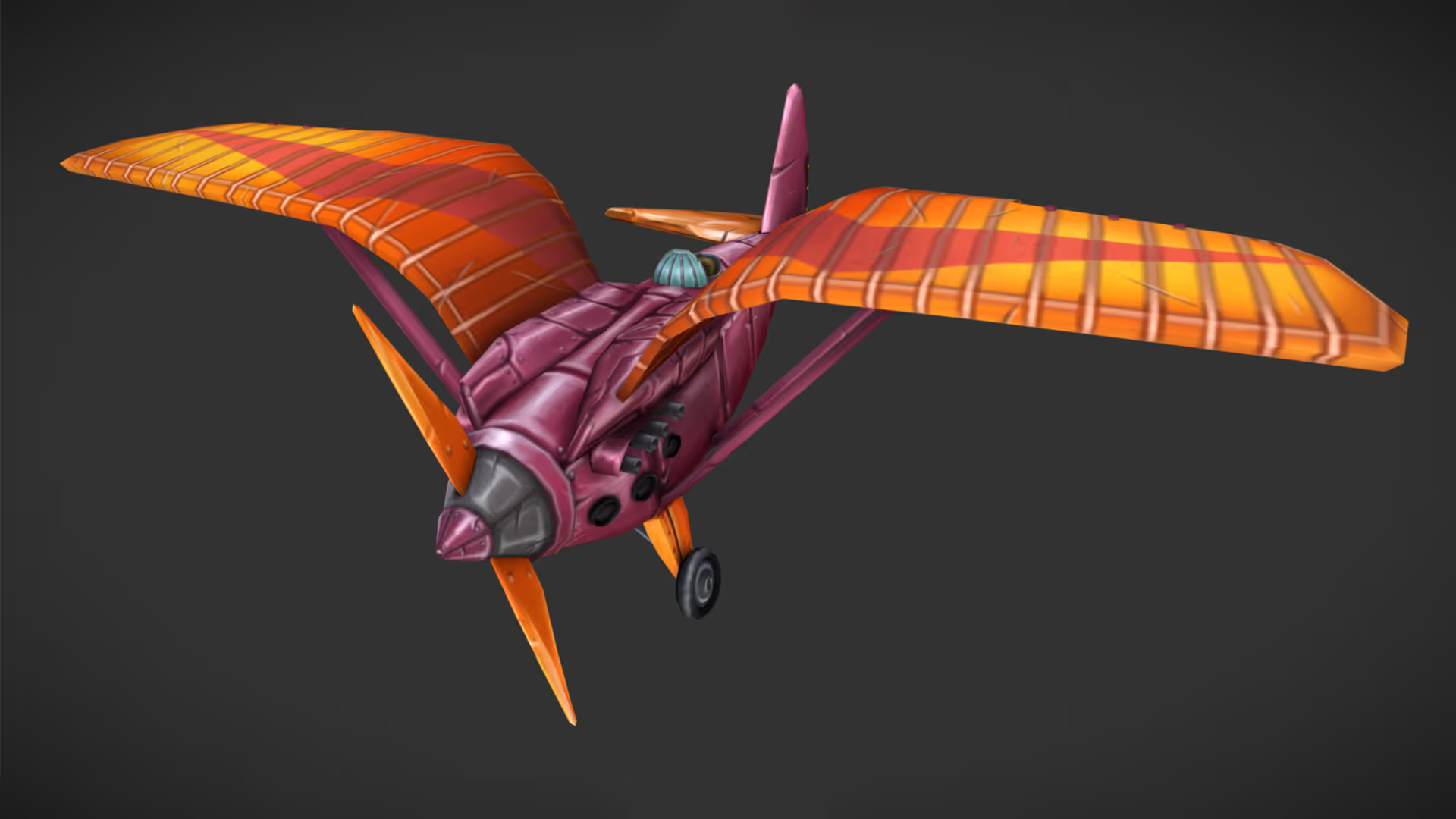
The Stylized Plane project was created as part of my Game Art coursework at DAE.
The goal was to design and build a low-poly aircraft model optimized for real-time rendering,
while painting all textures by hand in Photoshop instead of relying on procedural materials.
This assignment combined both technical modeling and art direction,
pushing me to capture the charm of stylized art while maintaining strong topology and texture readability.
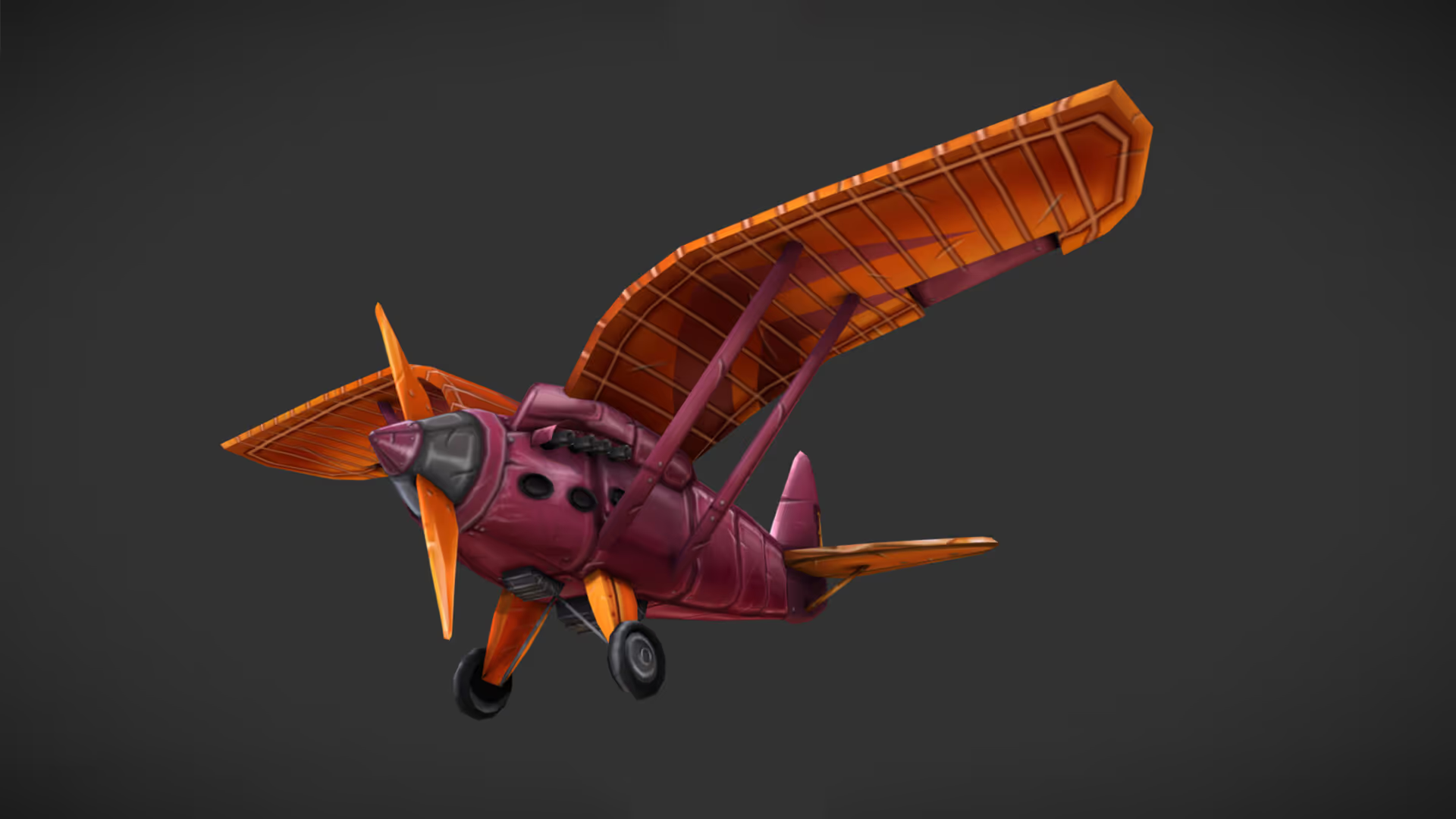
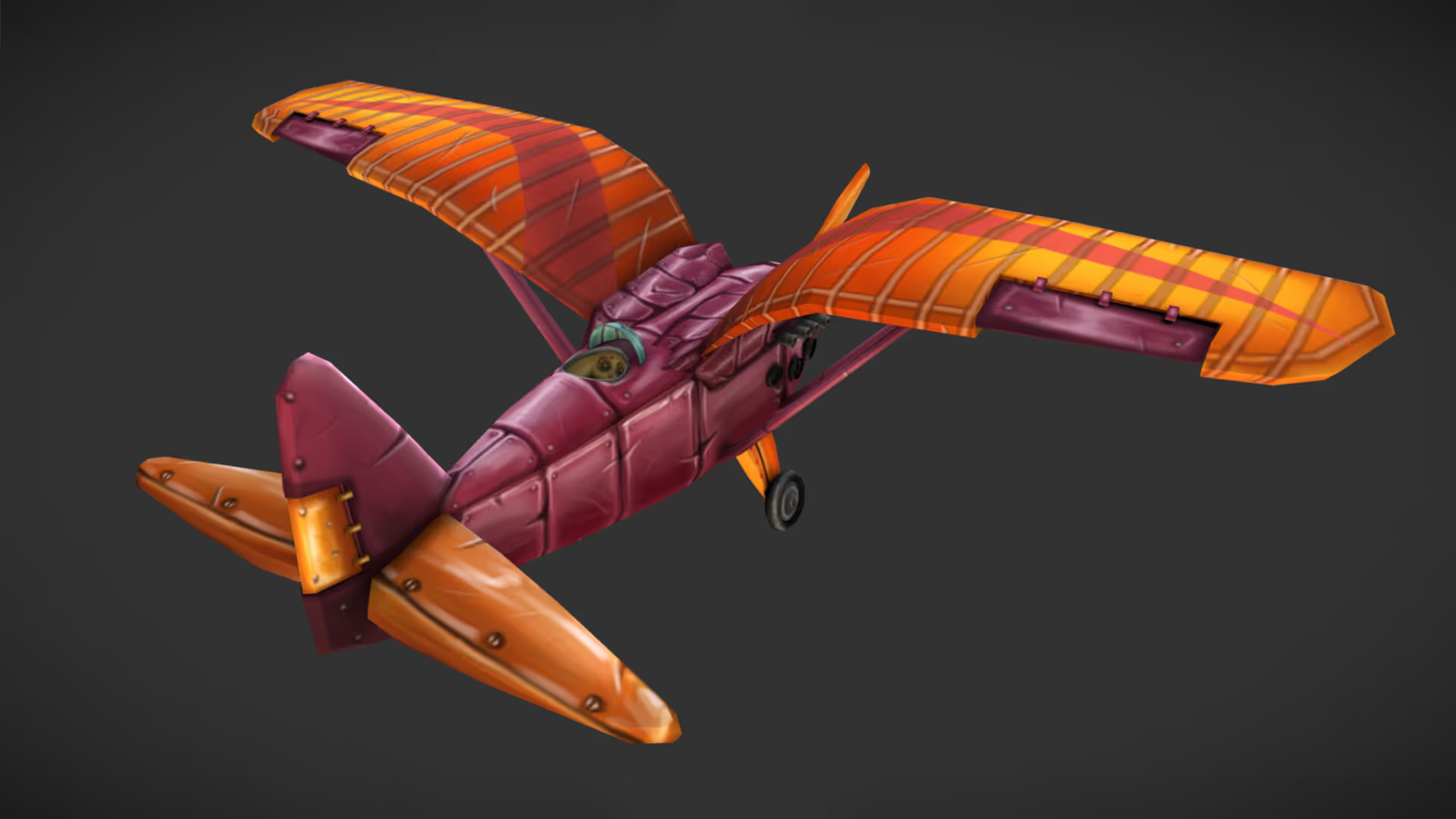
The model of the plane is PZL P.11
Process
The model was created entirely in Autodesk Maya, following a complete game art pipeline -
from concept and blockout to UV unwrapping, texturing, and presentation.
Workflow:
- Modeling: used hard-surface techniques to create a clean low-poly base with efficient topology
- UV Unwrapping: laid out UVs manually to ensure even texel density and optimal use of texture space
- Texturing: hand-painted all diffuse maps in Adobe Photoshop, focusing on stylized color gradients,
subtle edge highlights, and simplified lighting baked into the texture - Detailing: emphasized readable shapes, weathered metal, and soft color transitions to convey volume
- Presentation: set up a neutral lighting rig inside Maya and rendered using Arnold for clear material readability
This project intentionally avoided procedural texturing to reinforce manual painting skills and control over surface detail.
Outcome
The final model demonstrates a balance between stylization and believability -
lightweight geometry combined with expressive textures that bring the plane to life.
The hand-painted look gives it personality while maintaining performance for real-time applications.
View Full Project on ArtStation
Reflection
This project was an important step in understanding stylized game art pipelines.
I learned how much storytelling can live inside a single texture -
how brushstrokes, gradients, and light cues can replace complex materials when done with care.
It also taught me the value of UV planning and optimization,
and how limited technical resources can drive more creative design decisions.
Working entirely between Maya and Photoshop strengthened my appreciation for
traditional texturing approaches - where every pixel counts.