The Cave
View Full Project on ArtStation
Concept
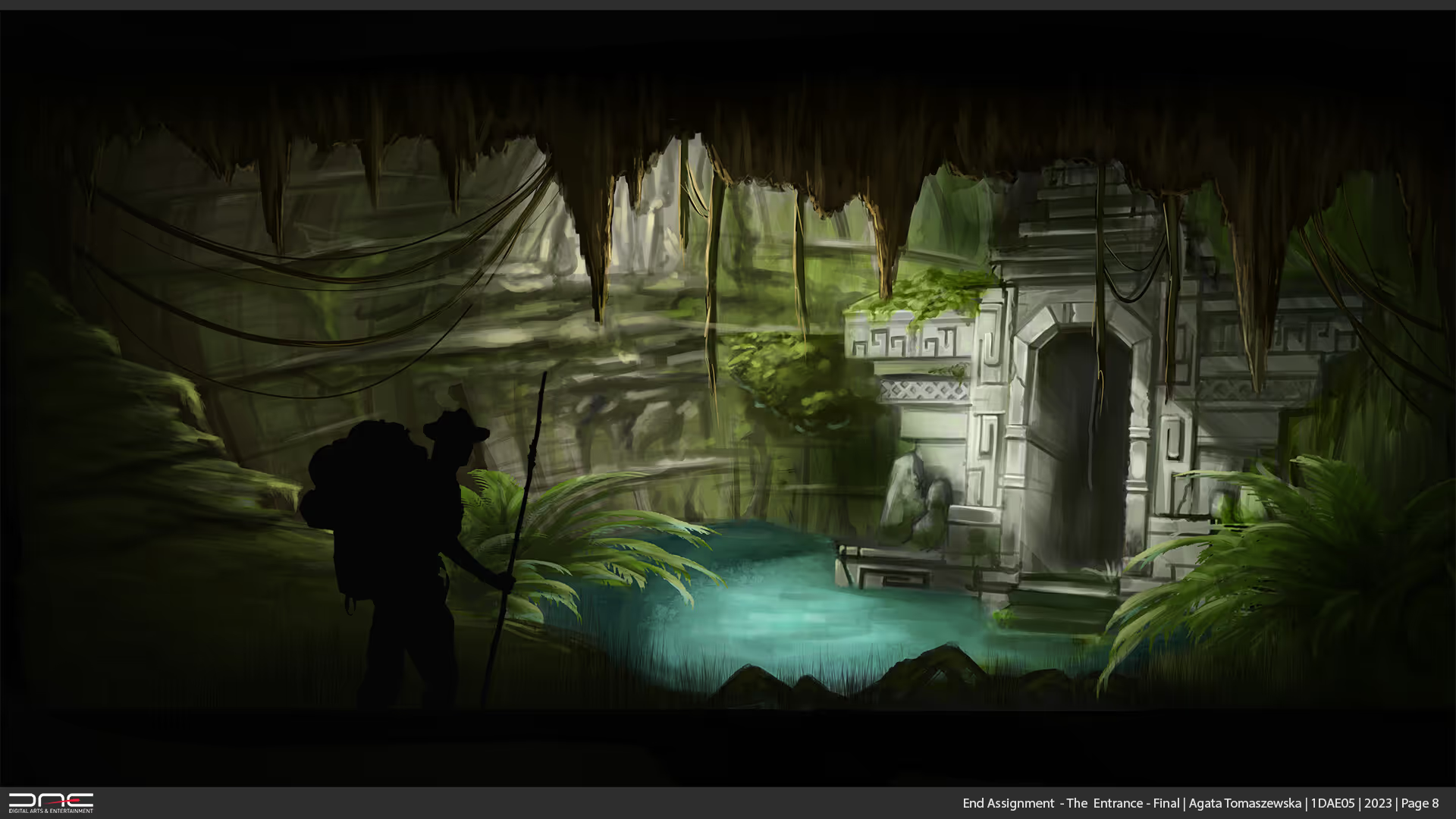
This project from my Pre-Production course at DAE focused on how composition, angle, and color work together to convey story and emotion.
Building on previous perspective exercises, this assignment explored how subtle changes in framing and palette can completely alter the viewer’s emotional response.
The goal was to create several compositions of the same scene from different angles and with different color moods,
to understand how storytelling is built visually - before any words are spoken.
Process
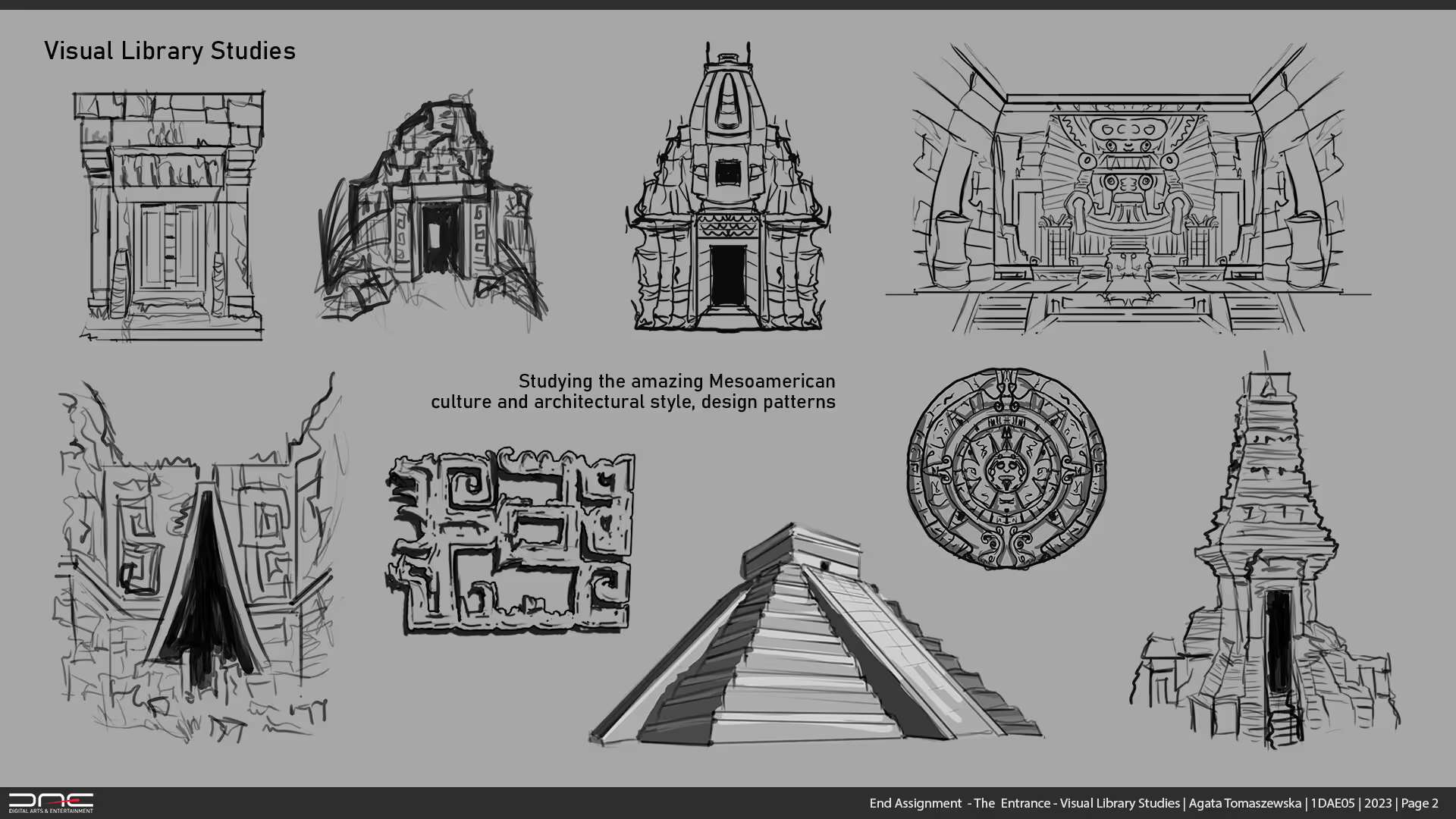
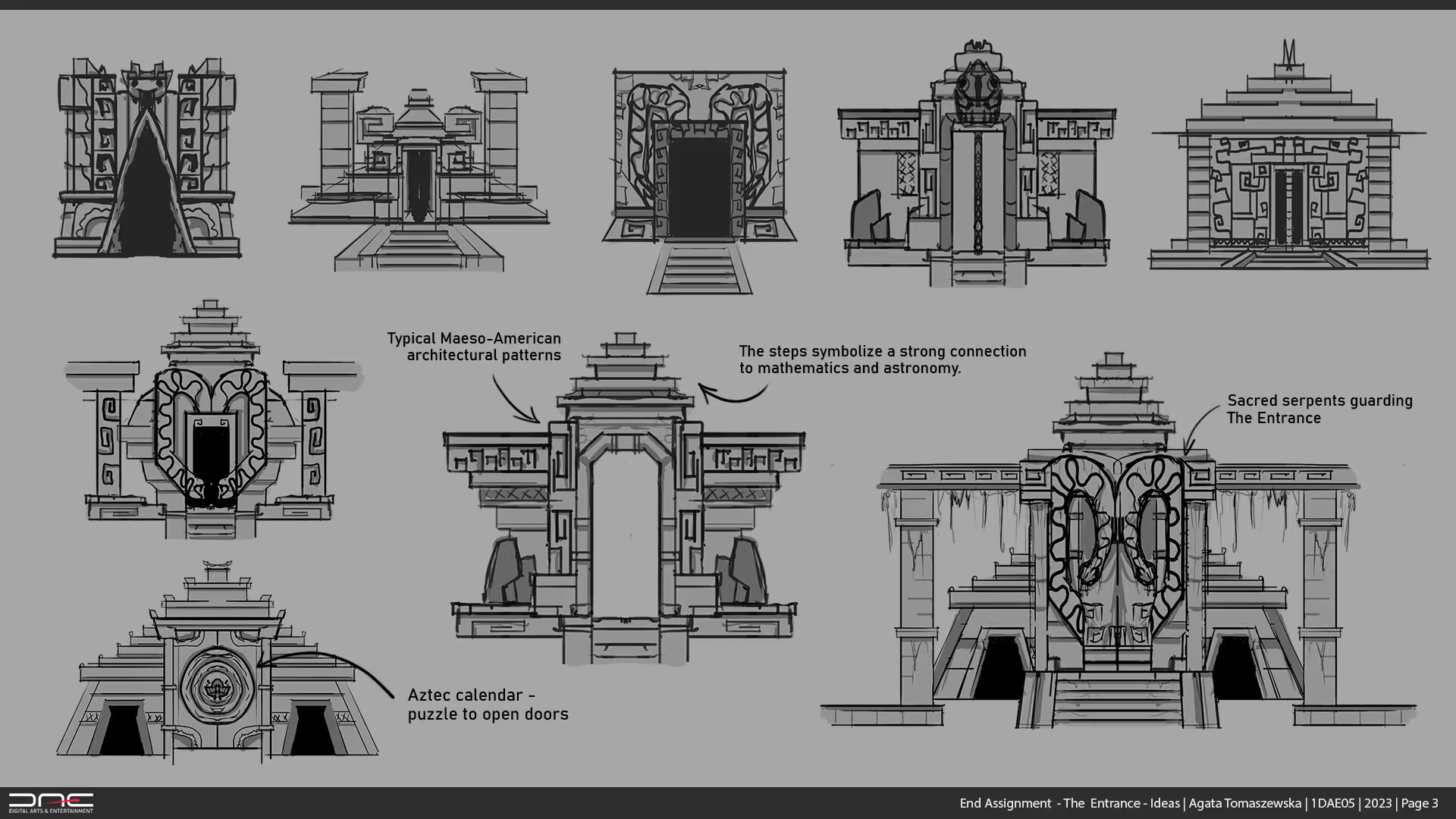
The project began with the same base scene, which was then reinterpreted through a series of camera angles and color schemes.
Each variation focused on a specific emotional intent - tension, calm, curiosity, or melancholy.
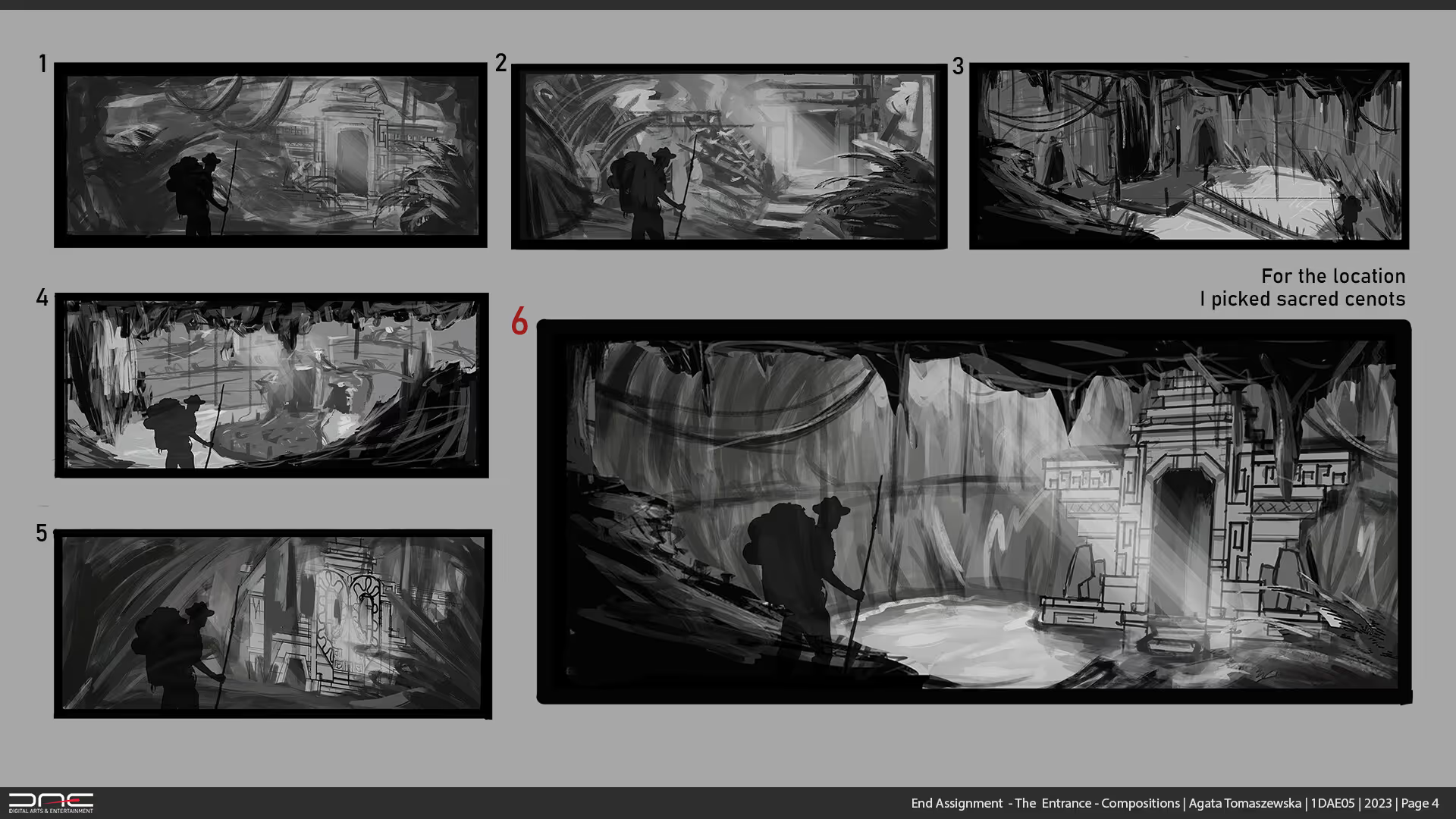
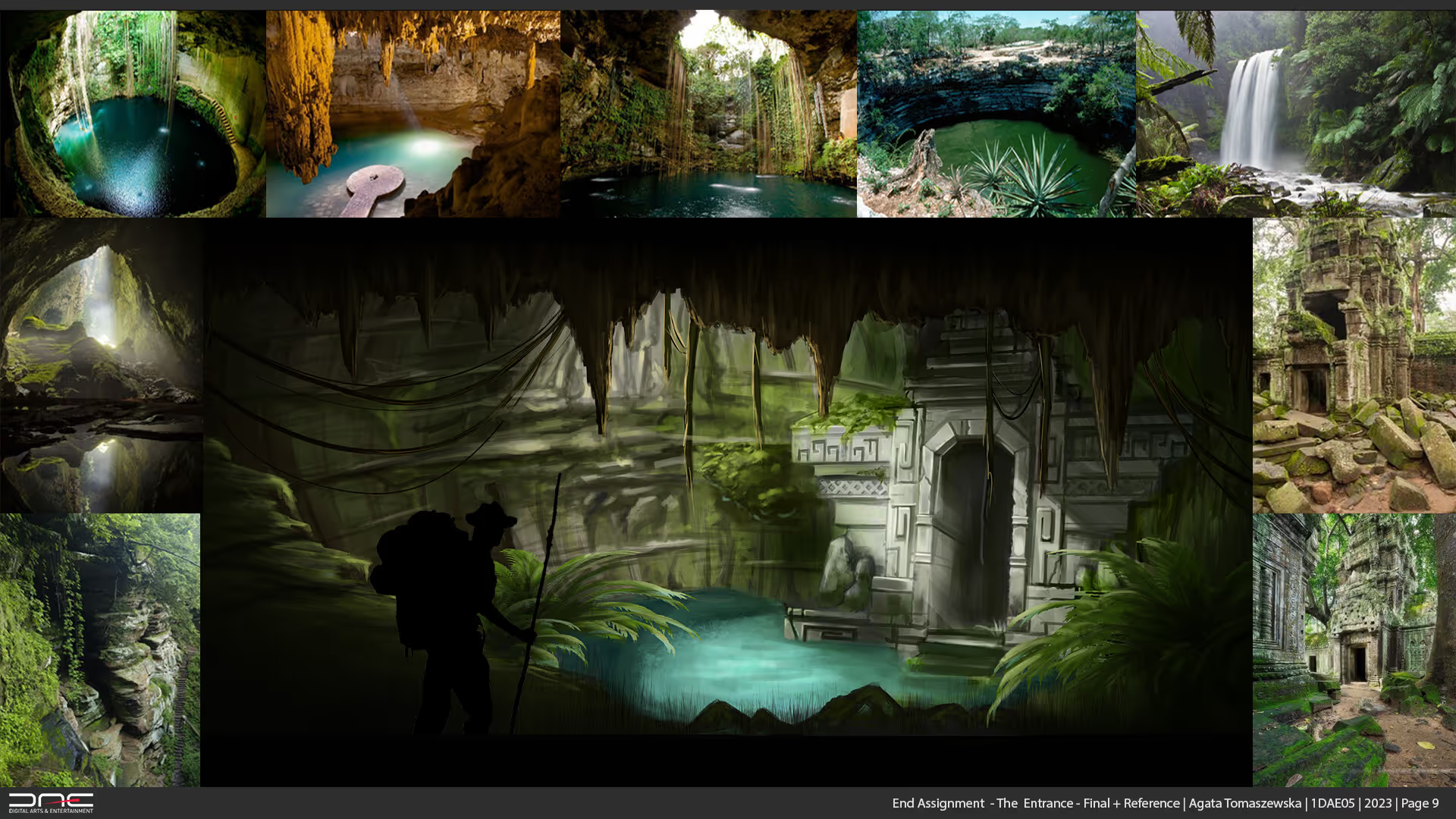
Workflow:
- Initial composition: established the main shapes and subject placement for visual clarity
- Angle exploration: tested different camera heights and focal distances to find the most expressive viewpoints
- Value study: planned tonal balance to ensure depth and readability before applying color
- Color mood testing: used complementary and analogous color palettes to evoke distinct emotions
- Final refinement: added light direction, contrast, and small storytelling details to strengthen the scene’s narrative
The process highlighted how composition, lighting, and palette are all part of the same storytelling language.
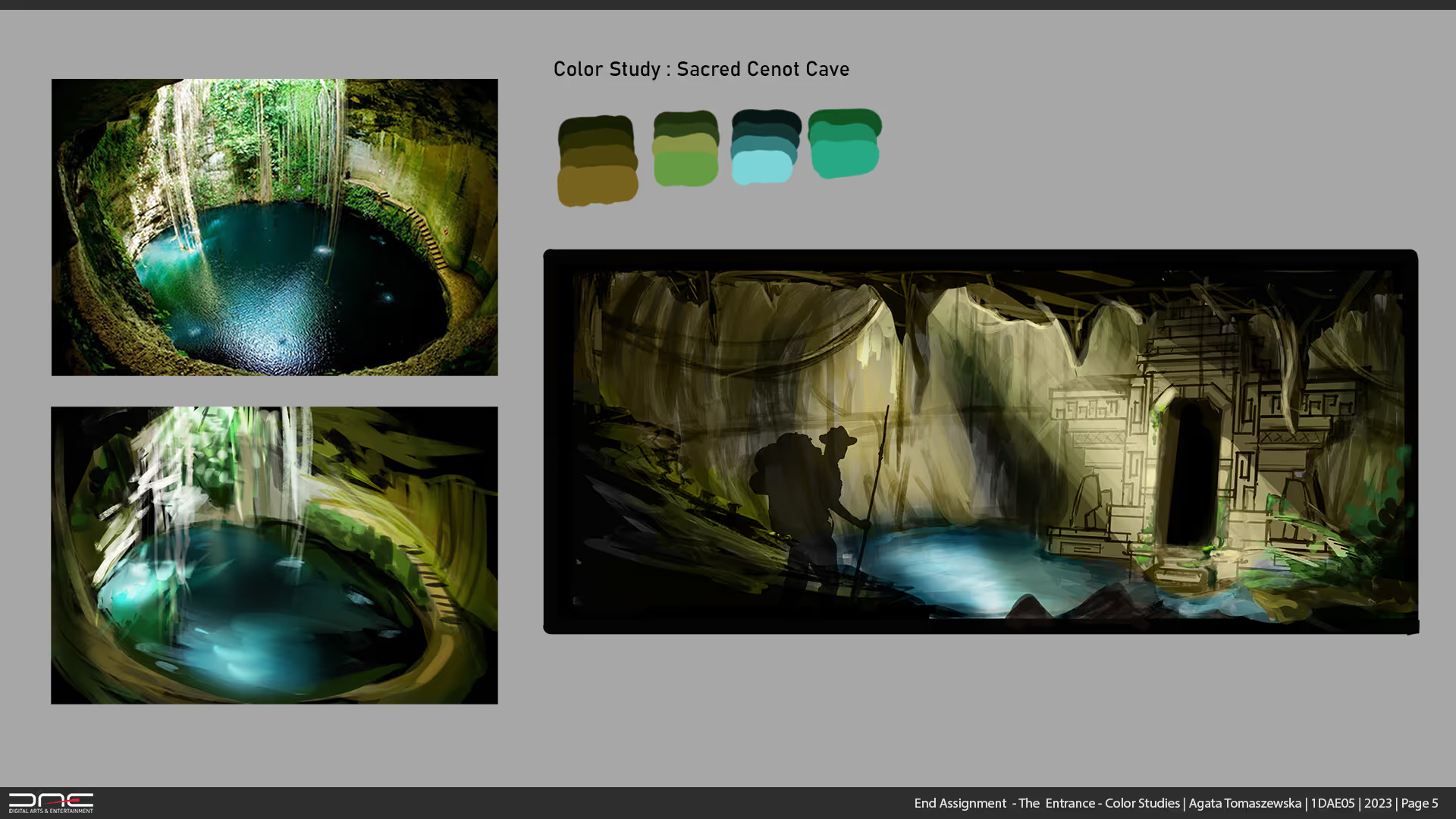
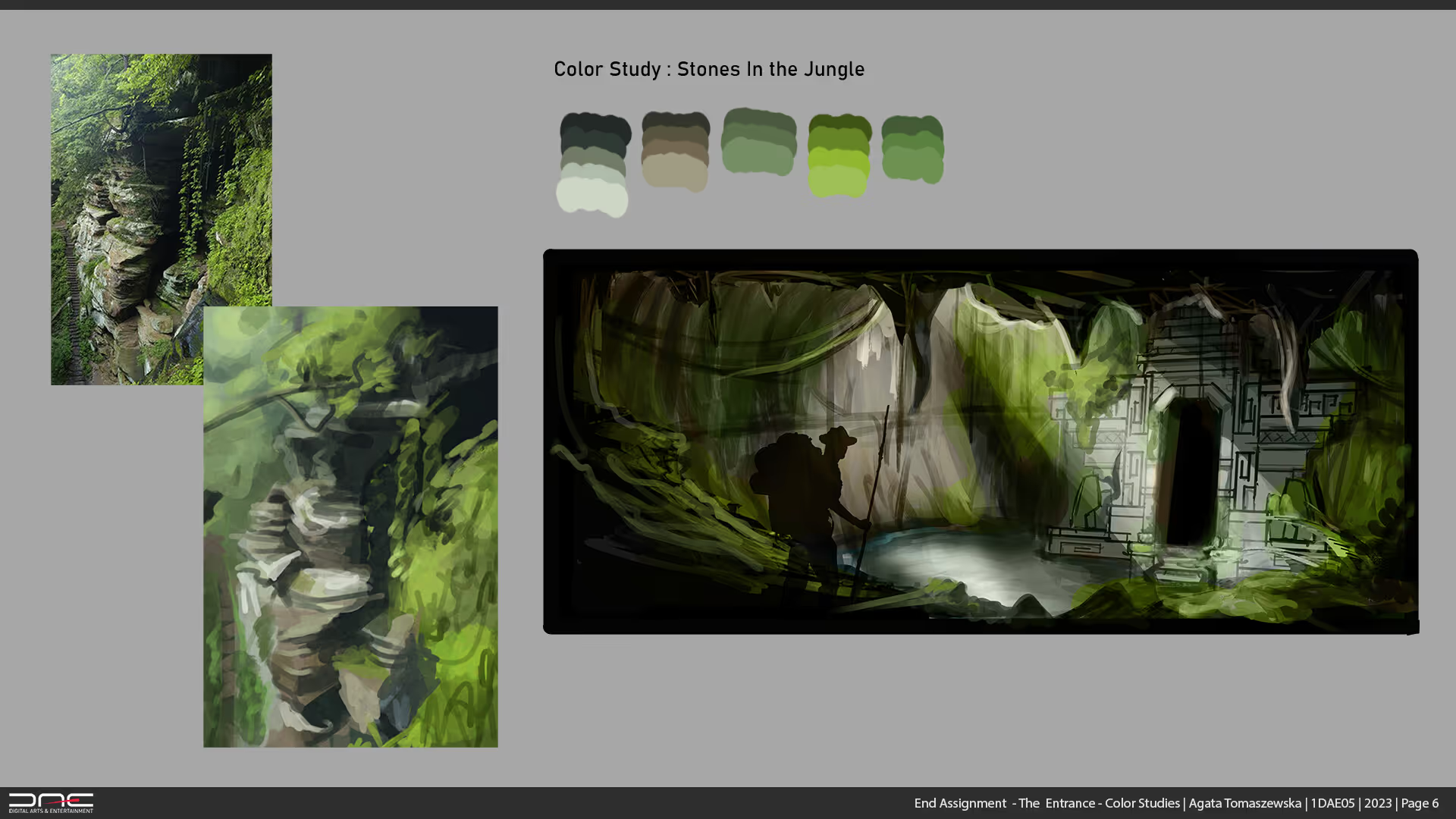
Outcome
The final series demonstrates how visual decisions define emotion.
By adjusting the angle or the color scheme, the exact same subject can feel peaceful, dramatic, or mysterious.
This exercise was about mastering control - not just drawing the scene, but directing how it feels.
View Full Project on ArtStation
Reflection
This project helped me understand how composition and color shape narrative meaning.
I learned to think beyond technical perspective - to see how each choice of framing or hue guides the viewer’s emotions.
It also deepened my sensitivity to color psychology and how visual rhythm influences storytelling flow.
Ultimately, this exercise taught me that composition is direction,
and that great visual storytelling is about making the audience feel something before they even realize why.